
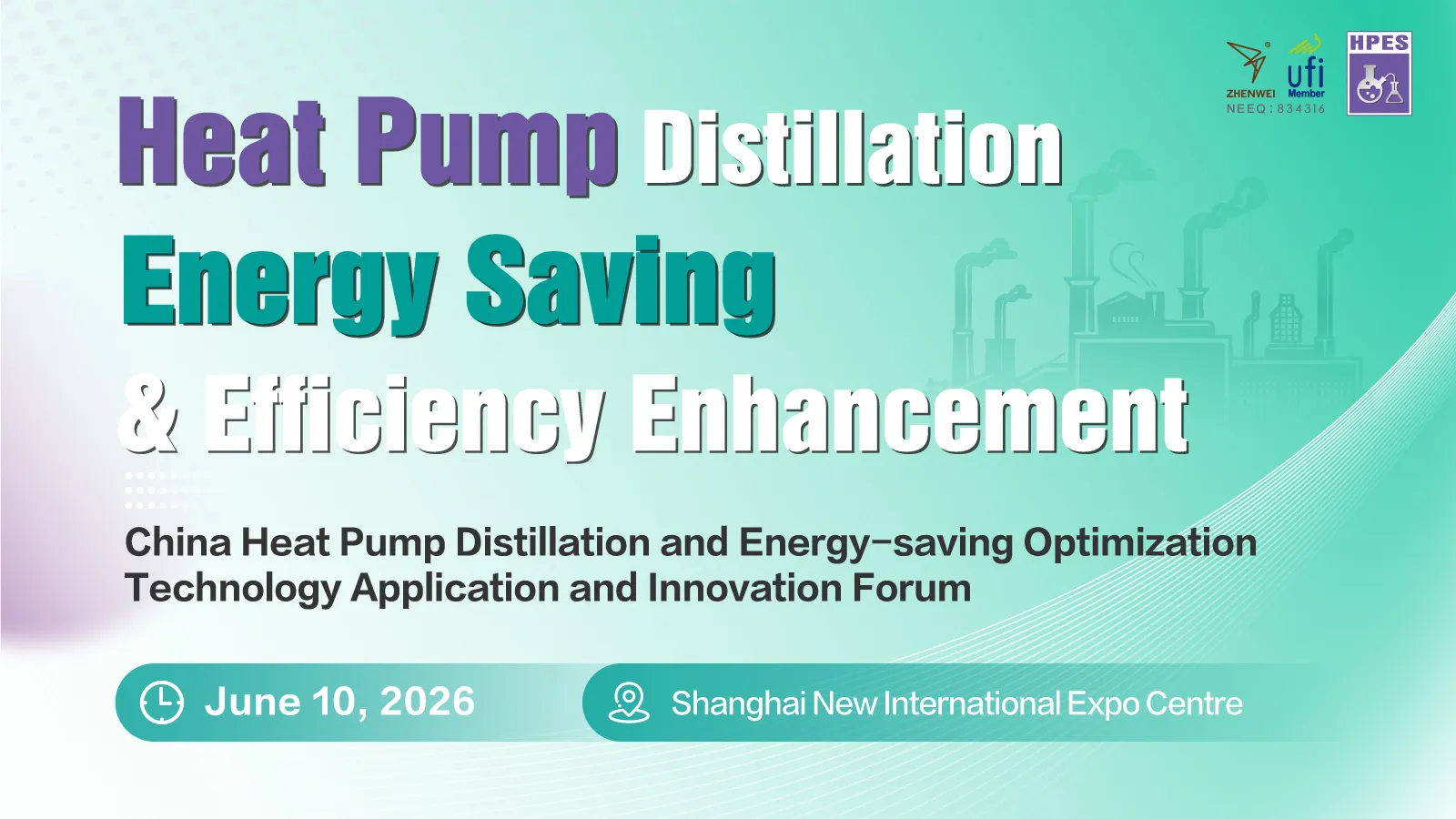
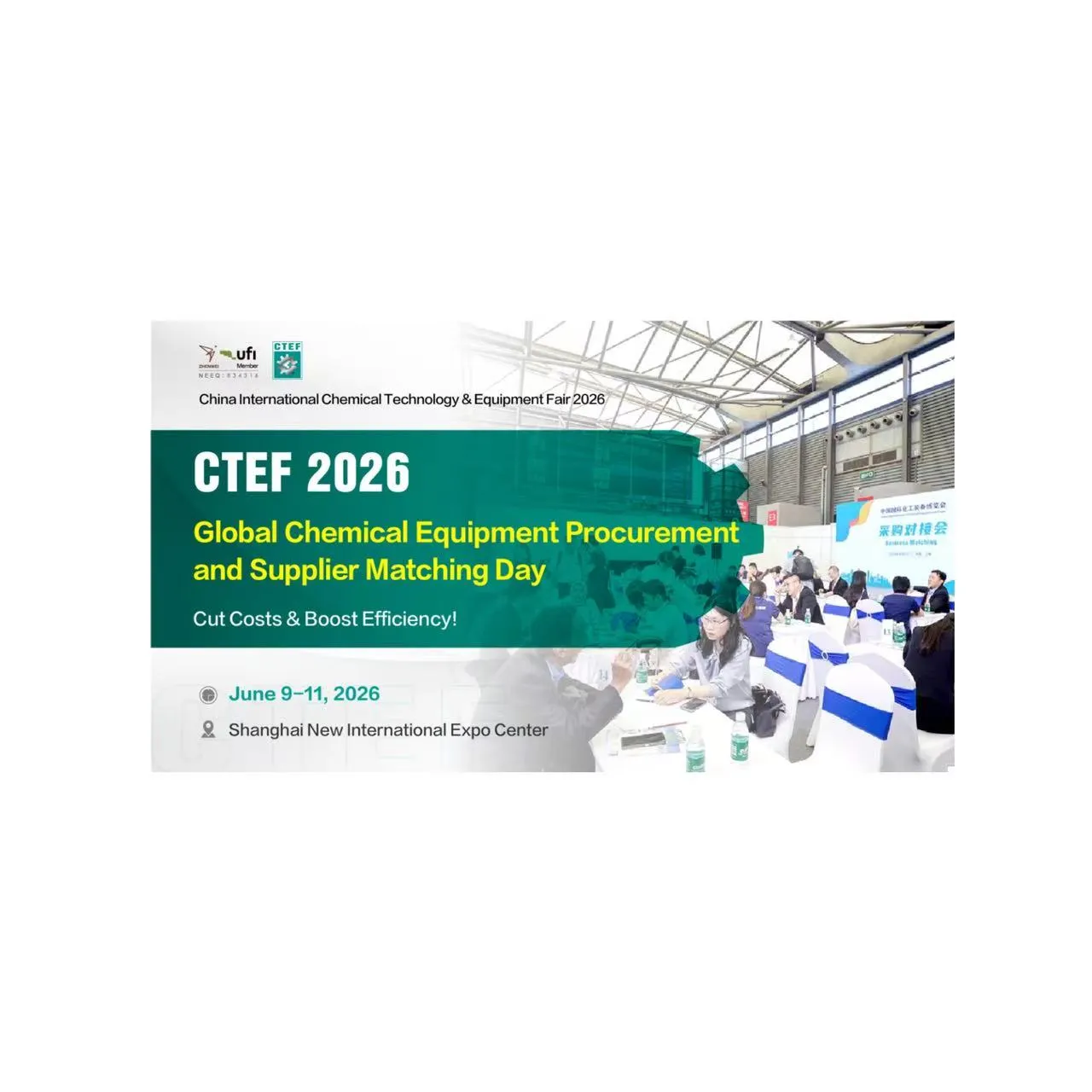
China Heat Pump Distillation Energy Saving and Optimization Technology Forum will be held on June 10, 2026, concurrently with the CTEF China International Chemical Technology Equipment Fair. This forum focuses on topics such as energy efficiency improvement and engineering application of heat pump distillation systems, low-grade waste heat recovery coupled with heat pump technology, new heat pump equipment adapted to special chemical operating conditions, and industrialization challenges and solutions. It aims to build a high-end exchange platform integrating industry, academia, research, and application, accelerating the transformation of innovative achievements into productive forces for the green transition of the chemical industry.
Participating Enterprise Introduction: Midea Building Technologies

As one of Midea Group's seven core business segments, Midea Building Technologies leverages its globally leading smart building ecosystem integration capabilities to vigorously expand the industrial market. Relying on intelligent, digital, and low-carbon core technologies, combined with advantages such as 7 global innovation R&D centers, 16 product bases, and over 8,000 authorized patents, it provides industrial customers with comprehensive end-to-end solutions, assisting enterprises in energy saving, cost reduction, and green upgrading.
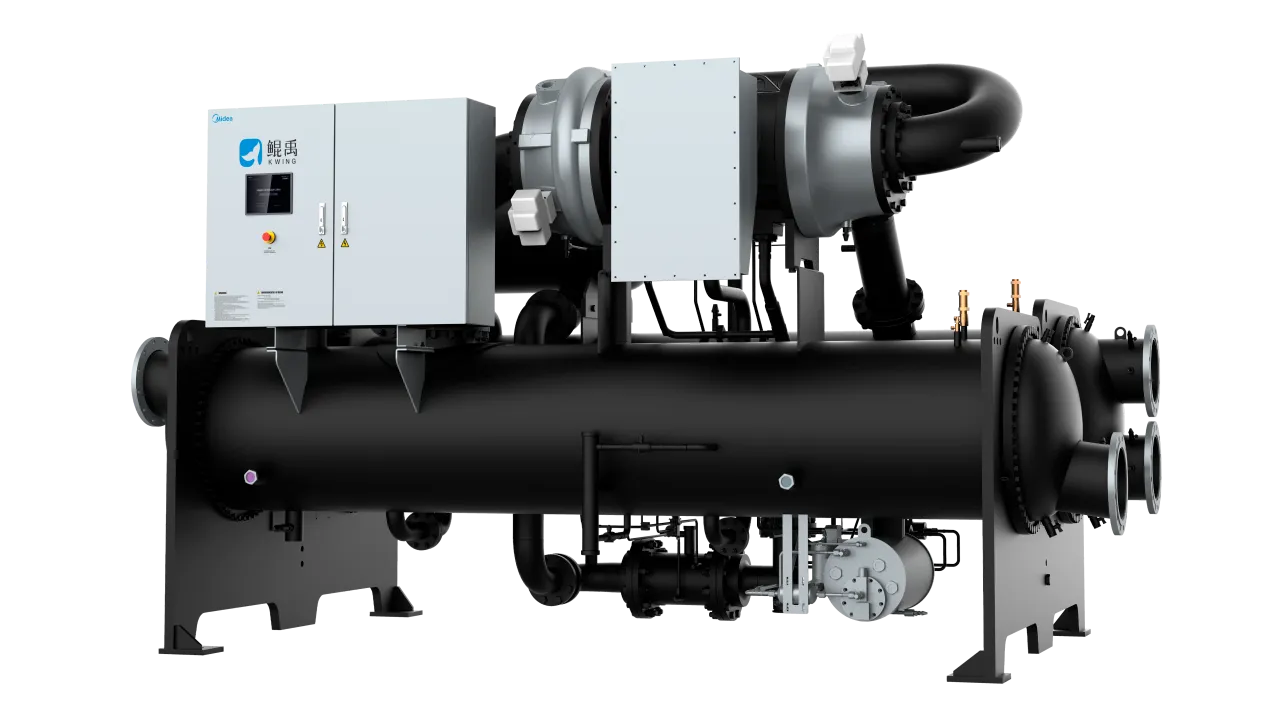
(130℃ Ultra-high Temperature Single-unit Dual-stage Variable Frequency Centrifugal Industrial Heat Pump Unit)
Midea Building Technologies has built a specialized solution system in the industrial sector, focusing on five core product matrices: refrigeration, heating/steam, compressed air, cleanroom terminal equipment, and industrial elevators, adapting to production scenarios across various industries. In the heating/steam field, the ultra-high temperature variable frequency centrifugal industrial heat pump unit can achieve a maximum outlet water temperature of 155°C, replacing boilers for low-carbon heating. In the compressed air field, three series of air compressors suit different scenarios; the magnetic bearing model is 100% oil-free, meeting stringent requirements in pharmaceuticals and textiles. In the refrigeration field, the focus is on creating high-efficiency chiller plant rooms, combined with cleanroom terminal equipment to meet high precision and high cleanliness requirements. Industrial elevators enable vertical transportation of heavy loads, improving logistics efficiency within industrial parks.
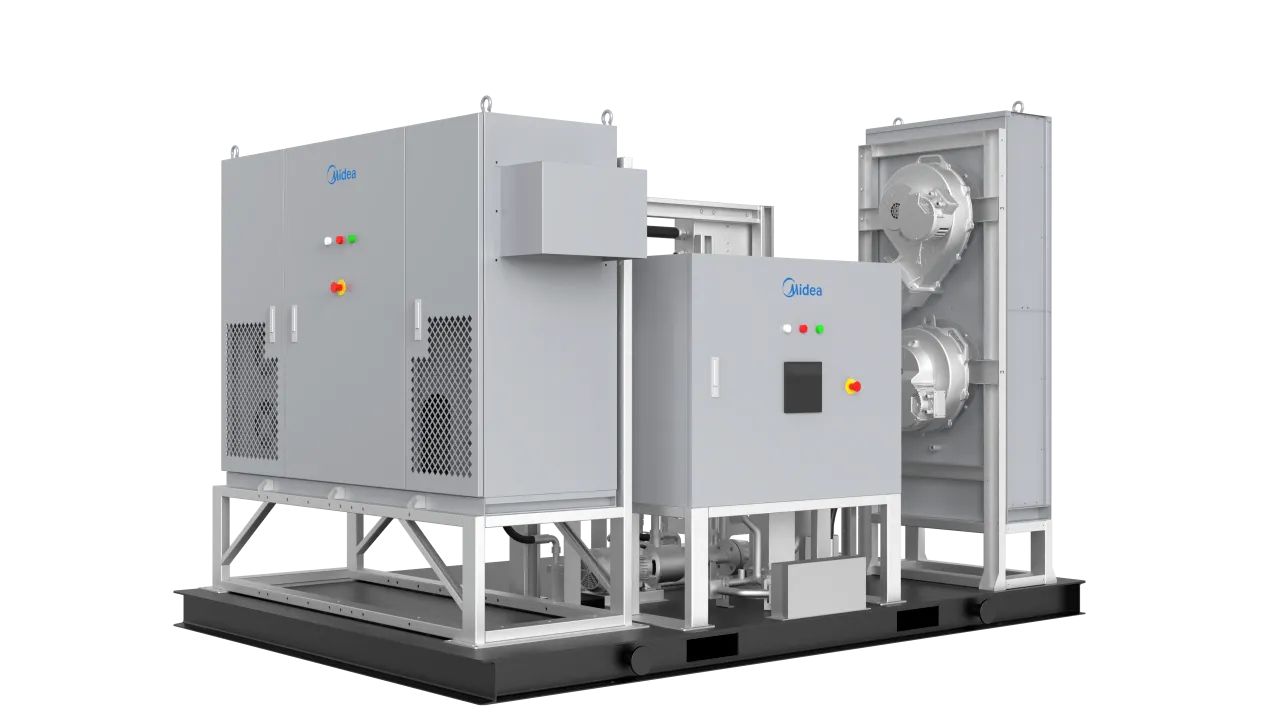
(150℃ Ultra-high Temperature Two-stage Magnetic Levitation Water Vapor Compressor)
Upholding the brand promise "Leave the complexity to Midea, making it simple for users," the company deeply integrates four business segments: HVAC, elevators, building intelligence, and energy management. Relying on its self-developed iBUILDING digital platform, it provides customers with a full lifecycle closed-loop service from scheme consultation to post-operation maintenance, optimizing operational efficiency and reducing system risks.
With high-quality products and comprehensive services, the company has accumulated numerous benchmark projects covering various sub-sectors: serving SMIC and Hikvision in the semiconductor field to ensure efficient and energy-saving production; empowering Zhangzhou Xinmai and Fenjiu Group in the food and beverage industry to support green production; collaborating with Jiangzhong Pharmaceutical and Yiling Pharmaceutical in the pharmaceutical field to safeguard pharmaceutical quality; and serving enterprises across various industries such as FAW Fudi, Shandong Changyi Petrochemical, Hengdian Dongci, Fengman Technology, and Henan Muyuan, comprehensively empowering high-quality industrial development.
In the future, Midea Building Technologies will continue to deeply cultivate the industrial field, iterating technologies and products, deepening the entire industry chain layout, providing cleaner, more energy-efficient, and smarter solutions, supporting the green transformation of industry, and injecting momentum into "Intelligent Manufacturing in China."
Speaker Introduction
Sort by the initial letter of the surname
Professor Gao Xuechao, Ph.D. in Engineering, School of Chemical Engineering, Nanjing Tech University; Master's Supervisor. Graduated from the University of Queensland, Australia in 2014. Selected for Jiangsu Province's "Double Innovation Doctor" program. Currently serves as an editorial board member of Shandong Chemical Industry, Youth Editorial Board Member of Materials Futures (SCI journal), and Guest Editor for Molecules and other journals. Professor Gao has long been engaged in scientific research and teaching in membrane separation, energy-saving process intensification, and chemical systems engineering. Research directions include preparation and application of zeolite membranes, pervaporation dehydration, distillation-membrane coupling energy-saving technology, computer simulation, and process optimization. Possesses profound research accumulation and engineering practice experience in ethanol dehydration industrialization demonstration, carbon capture membrane technology, and deep purification of organic solvents. To date, has led over 4 projects funded by the National Natural Science Foundation. Published over 40 papers as first author in top chemical engineering journals such as J. Membr. Sci. and Sep. Purif. Technol.; authored one English monograph. Granted over 4 national invention patents and utility model patents. In teaching, responsible for a national first-class undergraduate course and has led students to win Grand Prizes in the National College Student Chemical Process Digital Innovation Competition for three consecutive sessions.
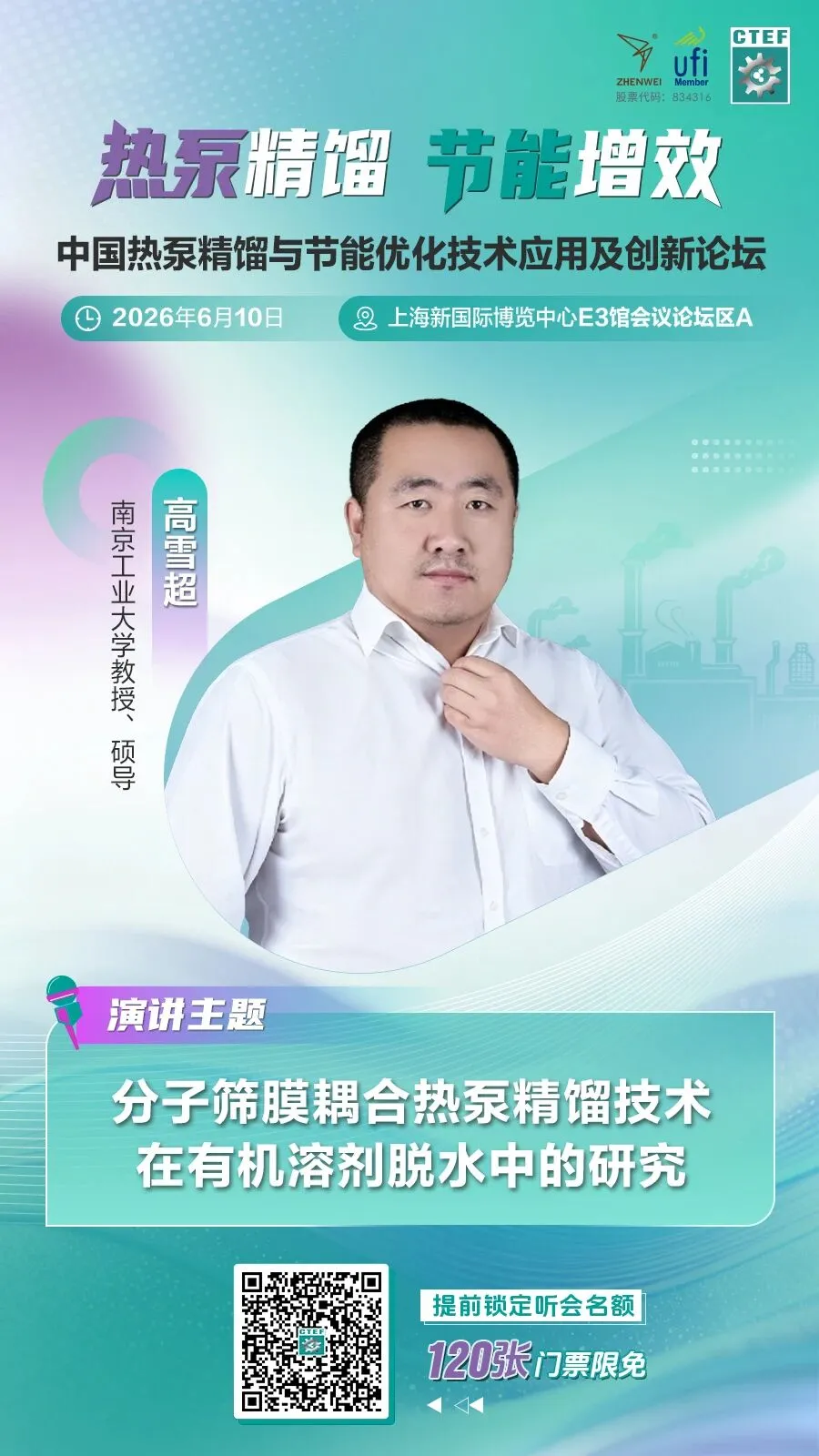
Report Title: Research on Zeolite Membrane Coupled with Heat Pump Distillation Technology for Organic Solvent Dehydration
Report Summary: To address industrial pain points in traditional distillation technology for organic solvent dehydration (e.g., alcohols, ketones), such as high energy consumption, azeotropic limitations, and difficulty in purifying low-concentration solutions, this study proposes a new energy-saving intensification strategy based on a zeolite membrane internally and externally coupled with a heat pump distillation unit. The report will focus on the deep coupling of membrane pervaporation and traditional separation processes by externally embedding membrane modules into the distillation column. This technology fully utilizes the thermal energy cycling advantage of the heat pump system, greatly improving the system's thermodynamic efficiency. Research results show that in the deep dehydration of alcohol systems (ethanol, isopropanol) and ketone systems (butanone, cyclohexanone), this coupled process can save more than 20% energy compared to traditional distillation while significantly reducing equipment footprint.
Wang Jun, Senior Solutions Engineer, Midea Building Technologies. Has many years of experience in industrial and agricultural thermal systems and industrial heat pumps, focusing on low-carbon energy system design and multi-energy complementary technology research. Possesses rich project experience in complex application scenarios such as multi-energy coupled system heating, industrial waste heat recovery, and distillation system energy saving. Has led several large-scale centralized heating and industrial energy-saving demonstration projects. Committed to providing customers with efficient and stable zero-carbon thermal solutions through technological innovation, supporting the industry's green transformation.
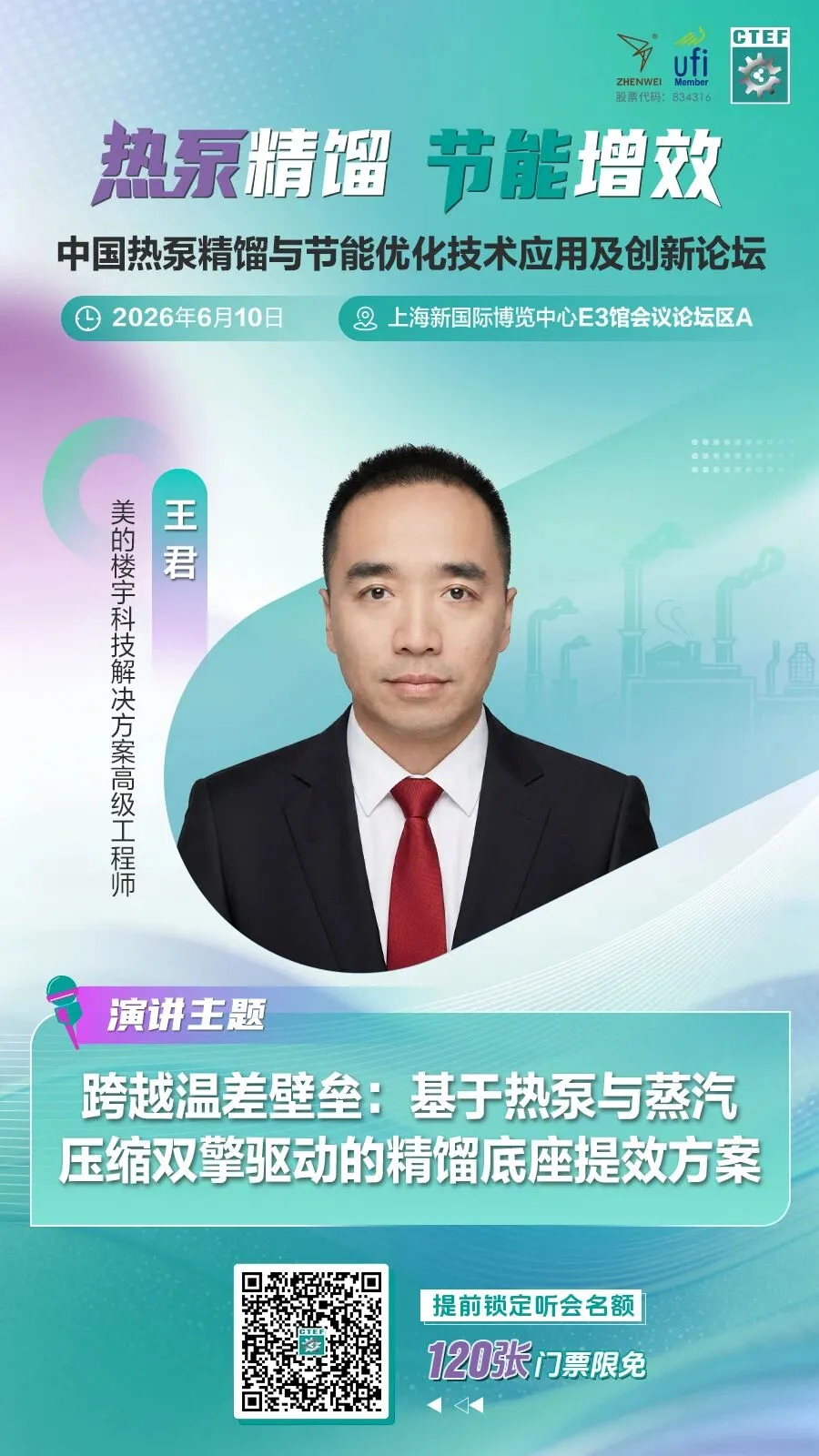
Report Title: Crossing the Temperature Difference Barrier: A Distillation Efficiency Improvement Solution Driven by Heat Pump and Vapor Compression
Report Summary: Against the backdrop of dual-carbon goals, the need for decarbonization in distillation processes is increasingly urgent. However, traditional thermal integration technologies are often limited by terminal temperature differences and material system characteristics. This report focuses on the collaborative innovation of heat pump technology and new water vapor compressors, proposing a "dual-drive" distillation thermal efficiency improvement solution. The report will analyze the core technical mechanisms of the dual-drive system in overcoming the barriers to conventional medium and high-pressure steam production. Using a steam application case from a pharmaceutical company, it will detail the technical difficulties of deeply integrating the thermal system with the chemical process. The discussion will focus on how to overcome the strict limitations of mixture boiling point elevation on the MVR compression ratio, as well as the safety redundancy and off-design operating logic of two-stage/cascade high-temperature heat pumps when crossing large temperature differences. Engineering practice proves that this system reduces steam costs by over 60% while ensuring high-purity output. The report aims to bridge the "last mile" from theoretical optimization to complex engineering implementation using hardcore practical data.
Dr. Xia Ming, Associate Professor, School of Chemical Engineering, Nanjing Tech University; Master's Supervisor. Deeply engaged in the fields of chemical synthesis and three-waste treatment, conducting research and teaching on media process intensification. Research directions include energy-saving separation engineering, catalytic reaction engineering and process intensification, and computer simulation. Possesses rich research and engineering practice experience in areas such as cobalt-based Fischer-Tropsch synthesis for value-added products, acetic acid to ethanol/acetone, CO2 synthesis of dimethyl carbonate, bio-based long-chain alpha-olefins, efficient synthesis of 5-HMF, energy-saving separation, and technology scale-up. To date, has led or completed nearly 10 national and provincial/ministerial research projects, and has led or completed multiple technology industrial pilot projects, as well as the start-up, operation, optimization, and process package compilation of ten-thousand-ton-level engineering demonstrations. Published over 50 papers in authoritative chemical engineering journals such as AIChE J. and I&ECR, with nearly 2000 citations; invited by the renowned German publisher Wiley-VCH to author a chapter on green Fischer-Tropsch synthesis reactors; granted over 10 invention patents, with multiple patented achievements applied in pilot and large-scale units. Currently serves as an editorial board member or reviewer for several domestic and international journals and has established long-term cooperation with multiple enterprises and research institutes.
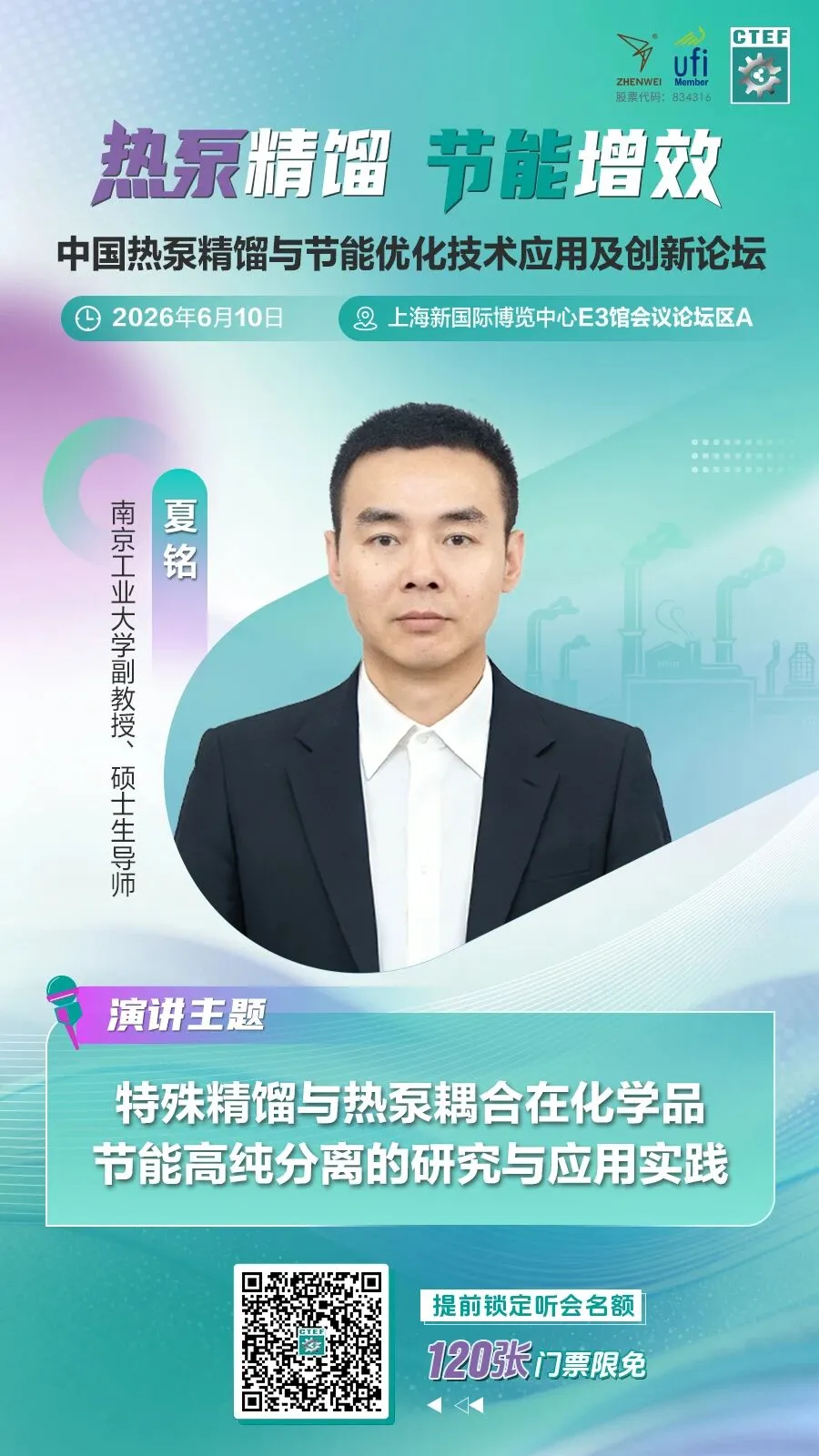
Report Title: Research and Application Practice of Special Distillation Coupled with Heat Pump for Energy-Saving and High-Purity Separation of Chemicals
Report Summary: Carbon emissions from the chemical industry rank third among total industrial emissions, accounting for 13%, with distillation energy consumption being the largest contributor. Energy saving and carbon reduction in distillation are key to high-quality development for petrochemical and chemical enterprises. However, these industries often face challenges such as difficulty separating azeotropic systems, high energy consumption, and complex processes. Therefore, this report outlines the basic principles, key points, and energy-saving effects of special distillation, heat pump distillation, and their coupling technology. Using examples of ester separation and long-chain alkane isomer separation, it demonstrates the technical advantages, providing alternative energy-saving separation technologies for high-quality development of enterprises.
Dr. Zhang Huafu, Senior Engineer, Technical Institute of Physics and Chemistry, Chinese Academy of Sciences; Youth Editorial Board Member, Contemporary Chemical Research; Reviewer for Applied Thermal Engineering, Thermal Science and Engineering Progress, etc.; Recipient of the International Research Awards for Best Researcher in Renewable Energy (2025); Executive Director of the University-Enterprise Joint Laboratory for "Process Engineering Efficient Thermal Integration and Pinch Technology". Main research directions include: heat pump refrigeration/heating, heat pump distillation/rectification, heat pump concentration/crystallization, heat pump hot water/steam boilers, cascade/high-temperature heat pumps, high-temperature heat pumps, heat pump technology for food and pharmaceutical equipment, and R&D and industrialization of heat pump energy-saving and environmental protection technologies. Published over 20 high-level papers as first/corresponding author, authorized 22 patents as first inventor (13 invention patents), invited for 3 academic reports, led or participated as a core member in more than 10 projects including National Key R&D Program and National Natural Science Foundation, co-authored 2 monographs, drafted 3 group standards, certified 2 scientific and technological achievements, supervised 8 graduate students. Technical achievements have been applied in more than 30 sets at well-known enterprises such as China Jinmao, State Power Investment Corporation, and Haier.
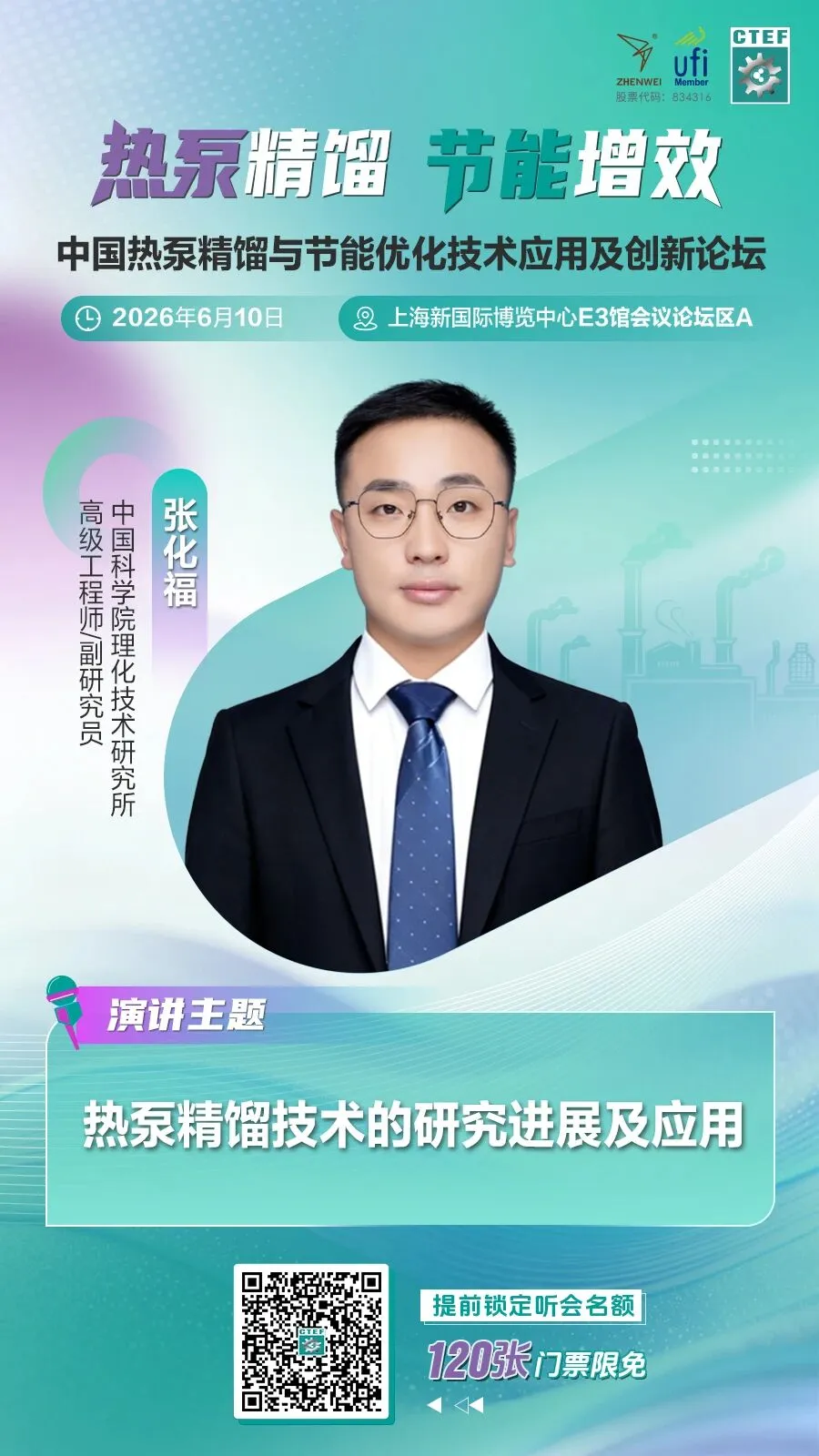
Report Title: Research Progress and Application of Heat Pump Distillation Technology
Report Summary: This report focuses on heat pump technology research and its application in distillation systems. First, it introduces the research background and team, along with thoughts on distillation development from a comprehensive zero-carbon perspective. Second, it elaborates on the technical principles of heat pump distillation and the application practices of heat pumps in distillation systems, further analyzing the energy savings compared with traditional distillation, which can reduce the dual consumption of cold and hot utilities and significantly lower energy costs. Finally, it showcases typical cases from relevant research teams, demonstrating the industrial application value of heat pump distillation technology.
Core Forum Audience
1.Petrochemical: Heads of large-scale state-owned and private petrochemical/refining enterprises.
2.Fine Chemicals: Heads of procurement and related personnel from production enterprises in pharmaceuticals, pesticides, lithium battery materials, electronic chemicals, etc.
3.Coal Chemical: Heads of modern coal chemical enterprises and traditional coal coking enterprises.
4.Distillation Technology: Suppliers of reactors, heat exchangers, pumps, valves and compressors, separation and filtration equipment, drying and powder equipment, online instruments and control systems.
5.Associations & Institutions: Representatives from industry associations, universities, and research institutes.
6.Energy Saving Sector: Energy service companies, industrial park energy managers, government energy supervision departments, green finance investment institutions.
Registration Method
Here you can:
Dialogue with top industry experts
Grasp the latest 2026 trends
Connect with full industry chain resources
Find the key to performance multiplication
Enhance corporate brand image and industry influence
For conference sponsorship, roadshow presentations, attendance registration, or joining discussion groups, please contact the CTEF Organizing Committee:
Chen chenweiyi@zhenweiexpo.com +86 181 2799 1242
Scan for Free Visit:

Contact us
Fill out and submit the form, and our specialist will contact you assisting you in successfully completing your participation in the event.

Time: September 21-23 , 2026
Location: chenydu century city New International Exhihition center
Tel:86-181 2799 1242