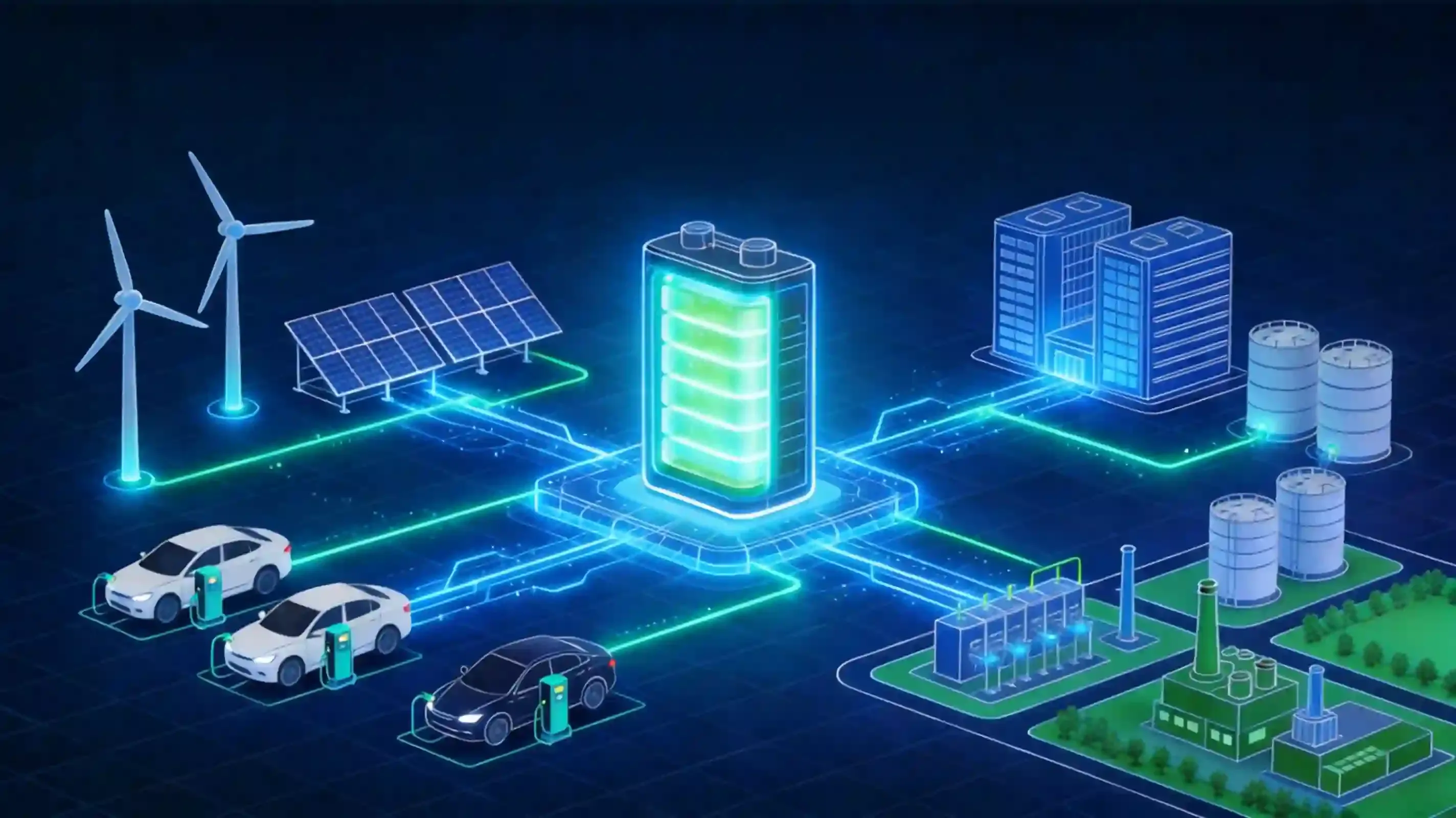
On September 28, the 《15th Five-Year Plan for the Development of the New-Type Battery Industry》 (hereinafter referred to as "the Plan"), jointly formulated by seven ministries including the Ministry of Industry and Information Technology, the National Development and Reform Commission and the Ministry of Transport, was officially released.
New-type batteries are high-efficiency electricity storage and conversion devices or systems whose core innovation directions lie in new mechanisms, new materials, new structures and new processes. Represented by lithium, sodium and flow batteries, they feature rapid technology iteration, broad application scope and strong radiation and driving effects.
According to the Ministry of Industry and Information Technology, during the 14th Five-Year Plan period, China's new-type battery industry achieved leapfrog development, with its total output value surpassing the trillion-yuan mark and gaining a major share of the global market.
For the 15th Five-Year Plan period, the Plan proposes that by 2030, China's new-type battery industry will achieve steady growth in scale. Whole-chain innovation capacity will continue to strengthen, with new breakthroughs in advanced electrode materials, novel electrolytes and high-end auxiliary materials. R&D of new battery systems will make major progress, all-solid-state batteries will achieve initial large-scale application, long-life lithium batteries will reach a cycle life of 15,000 times, and leading companies will bring product defect rates to the PPB level. The all-scenario application ecosystem will be accelerated, and integrated international trade and investment will be further advanced.
To achieve the main goals, the Plan puts forward 19 key tasks in five areas: accelerating whole-chain innovation-driven development, promoting industrial transformation and upgrading, improving the industrial system, enhancing industrial science and technology service capabilities, and raising the quality and level of trade and investment cooperation.
In terms of whole-chain innovation: first, intensify research on frontier and generic technologies, strengthen process-coordinated innovation, accelerate breakthroughs in all-solid-state battery industrialization technologies, and plan new-generation battery systems. Second, develop advanced battery materials and high-end manufacturing equipment, and fill the gaps in specialized industrial software. Third, enrich the supply of high-end battery products and accelerate the high-end, diversified and integrated development of new-type battery products. Fourth, strengthen system integration innovation, promote the participation of artificial intelligence technologies, and enhance the R&D, application and supporting supply of key components. Fifth, promote innovation applications across multiple fields, consolidate and expand advantageous areas, advance applications in the transportation sector, create innovative energy storage scenarios, and explore applications in frontier technologies and special equipment. Sixth, improve the recycling and reuse system.
In terms of industrial transformation and upgrading: first, raise the level of digital and intelligent development, accelerate the development of new-generation intelligent manufacturing, build specialized large models and AI R&D platforms, promote visualized management and intelligent regulation, and enhance early-warning and life-assessment capabilities. Second, accelerate green transformation, promote the application of new technologies, expand the use of renewable energy, implement green design and supply chain management, and build zero-carbon plants, green plants and green parks. Third, build an integrated ecosystem, innovate the industrial ecology, promote interconnected development, cultivate new business forms, and accelerate cross-disciplinary innovation. Fourth, enhance the level of industrial safe development, build a whole-chain safety system, strengthen monitoring and early warning, achieve breakthroughs in key technologies, improve public service capabilities for energy storage battery safety management, raise network and data security levels, regulate product transportation, and advance railway transportation pilots.
In terms of industrial system development: first, cultivate high-quality enterprises, build a tiered cultivation system for quality enterprises, and foster a number of distinctive SME industrial clusters. Second, optimize the regional industrial layout, improve the lithium battery industry layout under the principles of regional agglomeration and main-body concentration, and guide localities to leverage their comparative advantages for differentiated, distinctive and coordinated development. The Plan also makes specific arrangements for improving the industry governance system and regulating competition order.
In terms of industrial science and technology services: first, improve the industrial science and technology innovation system, build an integrated whole-chain research approach, establish science and technology innovation platforms, pilot-scale test platforms and key laboratories, promote industry-university-research collaboration, and cultivate new tracks in high-tech zones. Second, strengthen the leading role of standards, advance the construction of the lithium battery standards system, and participate deeply in international standardization work. Third, optimize testing and certification services, improve testing and evaluation capabilities, refine the evaluation system, and deepen quality chain strengthening. Fourth, improve the intellectual property system, strengthen IP protection and patent layout. Fifth, improve product traceability and carbon footprint management, strengthen full-life-cycle traceability, advance carbon footprint accounting, and promote international mutual recognition and sharing of data.
In terms of trade and investment cooperation: first, guide enterprises to "go global" in an orderly manner, and strengthen analysis and assessment of global new-energy market demand and geopolitical environments. Coordinate the use of domestic and international markets and resources, and guide enterprises to conduct diversified and orderly outbound investment. Improve risk prevention and emergency response mechanisms, and strengthen safety guarantees for enterprises going overseas. Second, build a highland of open cooperation, enhance efficient interaction with international organizations, and carry out regular cooperation and matchmaking. Establish internationally influential new-type battery industry and technology cooperation platforms, and improve global adaptability. Improve the comprehensive overseas service system, advance international bilateral and multilateral mutual recognition cooperation, and reduce technical barriers to trade.
The 《Plan》 sets up five special columns: common and key technology upgrading, advanced materials and high-end equipment upgrading, new-type battery product innovation, high-end system integration technology leap, and digital and intelligent empowerment.
Electrode (stack) materials: focus on developing cathode materials for lithium/sodium batteries such as high-voltage high-stability manganese-based, high-nickel ternary, high-tap-density lithium iron phosphate, polyanionic and layered oxide materials, as well as anode materials such as high-initial-efficiency low-expansion silicon-based, lithium/sodium metal, hard carbon and anthracite. Develop composite current collectors, efficient lithium/sodium replenishing agents, high-performance binders, conductive additives, and low-cost highly selective ion exchange membranes.
Electrolyte materials: focus on improving the stability and ionic conductivity of solid-state electrolytes. Develop air-stable sulfide and halide solid-state electrolytes and high-performance polymer composite solid-state electrolytes. Develop high-chemical-stability, high-voltage-resistant lithium salts and high-concentration, high-thermal-stability flow battery electrolytes.
The 《Plan 》requires strengthening coordination of special funding channels to promote breakthroughs in key technologies of new-type batteries, supporting financing for eligible backbone enterprises in the new-type battery industry chain, deepening industry-education integration in the new-type battery field to build a high-end talent training network, and fostering a fair, competitive, healthy and orderly market environment.
Disclaimer: The article is sourced from 《China Chemical Industry News》. The copyright belongs to the original author. The content is provided for exchange and learning purposes only and does not represent the stance of this official account. If this inadvertently involves copyright issues with text, images or other content, please contact us for removal.
.webp)


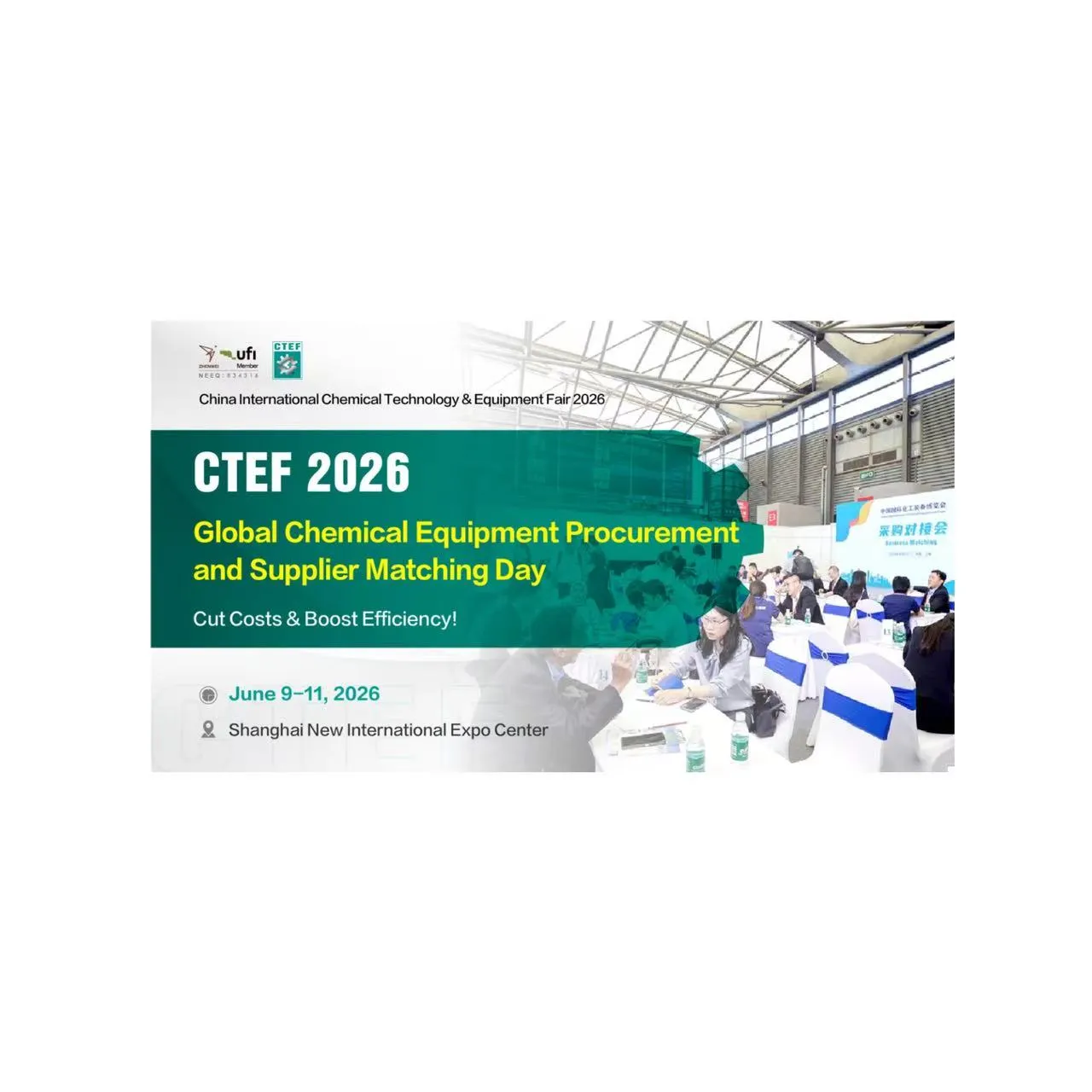
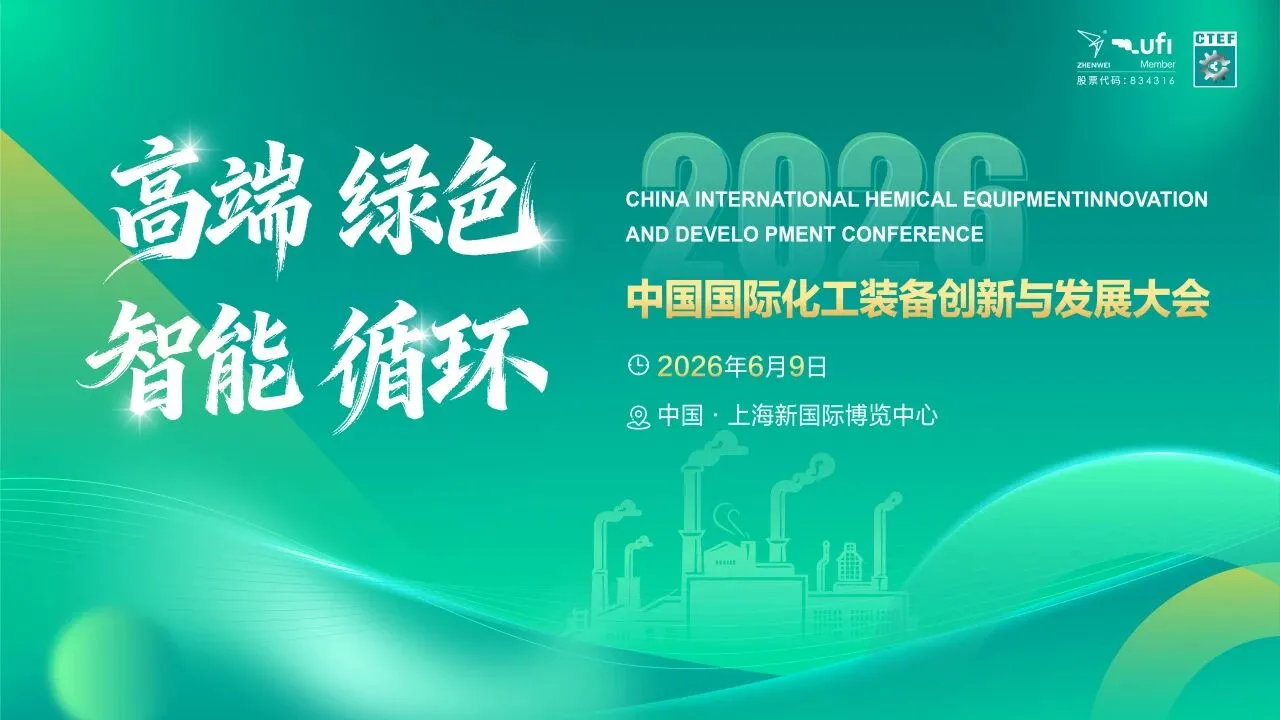

China International Chemical Equipment Fair 2027
Time: June 3-5 , 2027
Location: Shanghai New International Expo Center
Tel:86-181 2799 1242